Our work
From a new family in an SOS village to support that keeps a family together at home.
Family-like care
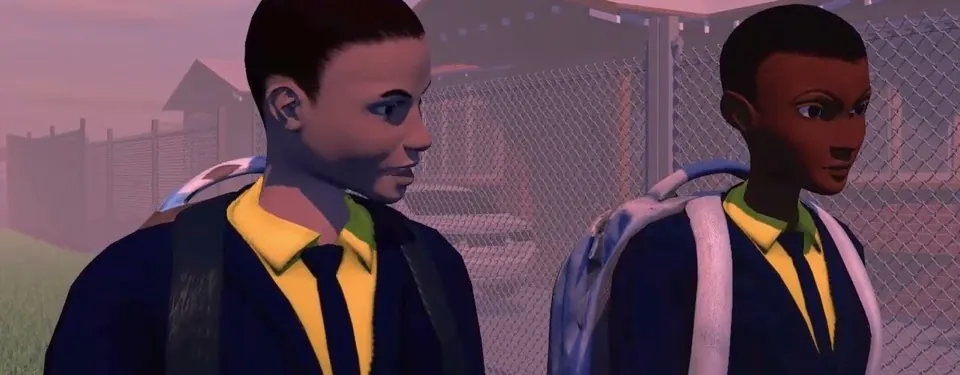
SOS families give stable, secure and loving care to children who have lost their parents or cannot live with their biological family. In the village, a child finds an SOS mother, brothers and sisters, and a place to call home. Each village has family houses, a kindergarten and a social centre.
“The neglected child has one great wish: to be like other children.”Hermann Gmeiner, founder
Four principles
- A mother: each child has a caring parent.
- Brothers and sisters: family ties grow naturally, and biological siblings always stay together.
- A house: each family creates its own home.
- A village: the SOS family is part of the community.
Every child has an individual development plan. Youth programmes help young people build the confidence and skills to shape their own futures, and we encourage friendships and connections outside the village.
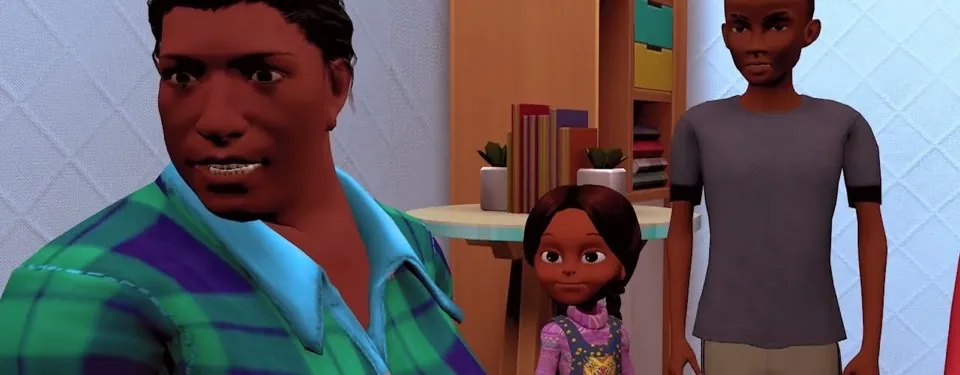
The Government of Eswatini runs a National Foster Care Programme to secure the rights of every vulnerable child, and we are proud to support it.
Foster care is the temporary placement of a child who needs care and protection with a suitable person who is not their parent or guardian. Children are placed by a competent authority with pre-selected, qualified, approved and supervised carers.
How long a placement lasts
- Short term: one week to three months.
- Medium term: three to six months.
- Long term: beyond six months, and up to the age of 18.
Foster care can also be an emergency response, giving children affected by a crisis a safe, family-like home while we trace and reunite them with their families.
Each placement is decided case by case, following the principles of necessity and suitability in the UN Guidelines for the Alternative Care of Children (2009) and Eswatini's Guidelines on Alternative Care (2009).
Family strengthening
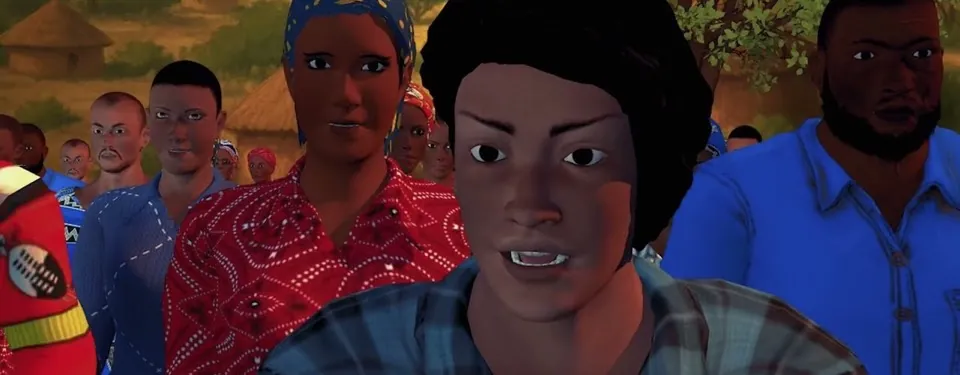
Family strengthening prevents children from being separated from their families. We help caregivers provide quality care, make sure families have enough resources, and connect them to essential services.
Each family works with a Family Development Plan Coordinator on a plan of action, tracking progress on three things: access to basic services, the caregiver's ability to care for children, and the family's own income.
What it looks like
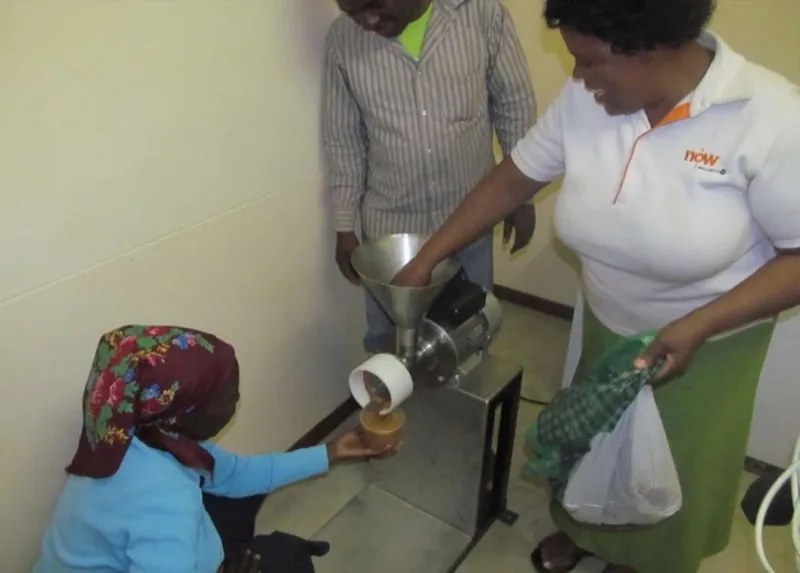
- Livelihood projects such as growing and selling maize and vegetables.
- Training community-based organisations in skills like beekeeping.
- Partnerships that feed children, repair homes and bring water to social centres.


Kinship care

In kinship care, children are cared for by relatives or next of kin, with the same kinds of support as family strengthening.
We began this work in 2016 and are working with the Department of Social Welfare, under the Deputy Prime Minister's Office, to develop National Guidelines and Standard Operating Procedures on Kinship Care.
Kinship or foster care? Kinship care is an informal arrangement with biological relatives. Foster care is ordered by a court and places a child with carers who are not related to them.
Education and youth skilling
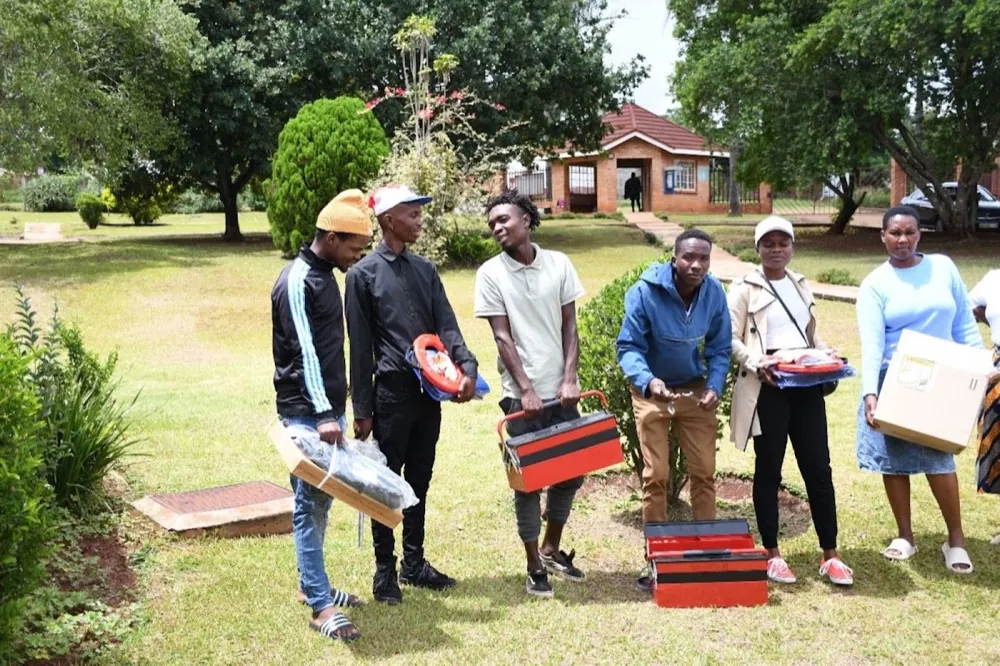
We empower young people in all our programmes, whether they live in an SOS village, in family strengthening or in kinship care. We walk with them through education, vocational training and their first jobs until they can stand on their own.
Partnerships such as DHL GoTeach connect young people with the world of work, and our ecological farming project trains them across the agriculture value chain.
Emergency child care
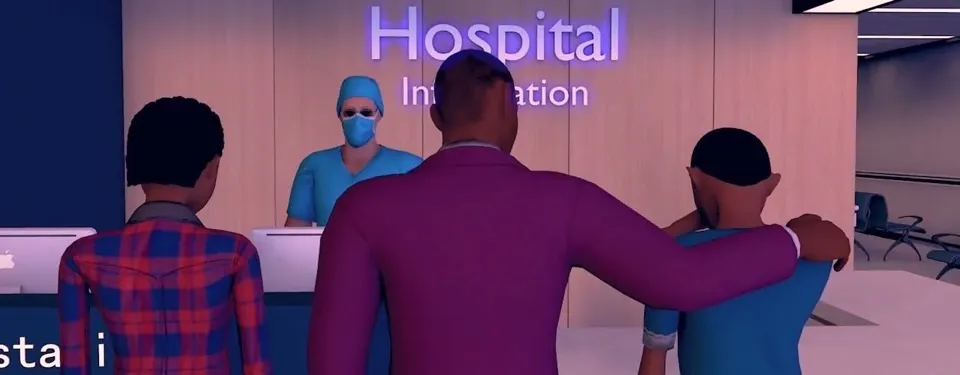
We provide relief and rehabilitation to families affected by disasters and emergencies, keeping children safe and families together through the crisis and the recovery.
In an emergency, foster families can open their homes to affected children while we trace and reunite them with their families. About foster care.
Short stay homes
Short stay homes give children in distress a safe place to stay while a long-term solution is found, ideally a return to their own family or extended family.
Special needs childcare
We focus on specialised long-term care for children with disabilities who are without parental care, so every child can grow up with love, respect and security.
In Siteki, young people with special needs are supported into vocational training suited to them.
Medical care
We work with the Government and partners to meet the health needs of the children we serve. Two SOS Medical Centres, in Nhlangano and Siteki villages, serve children in our care, their caregivers and the surrounding communities.
Services
- Out-patient treatment and medical counselling.
- Health promotion and prevention.
- Support on life planning, reproductive and maternal health, and hygiene and sanitation.
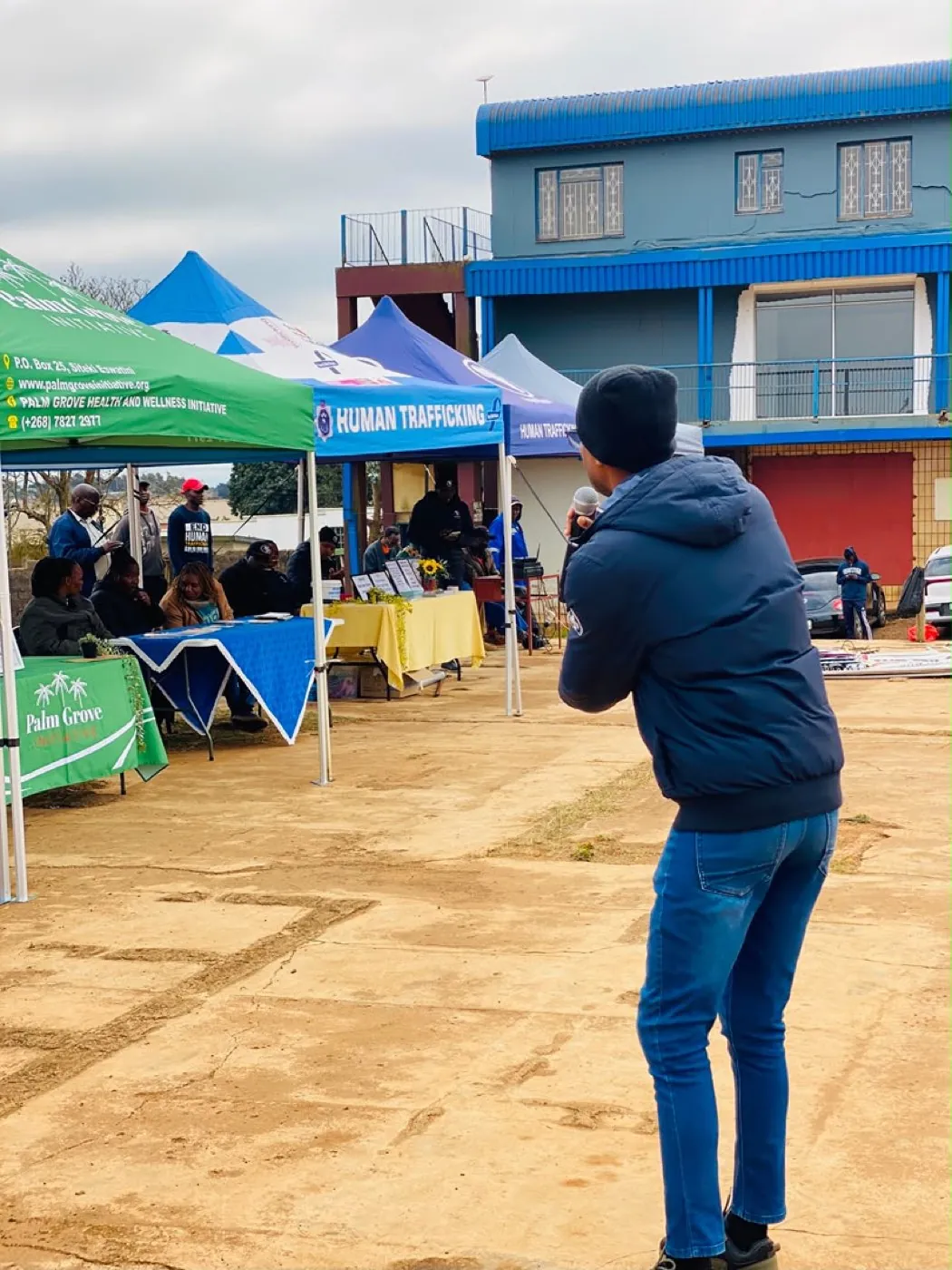
Passing the Baton for Future Generations
The baton is in our hands.
What we give today can become opportunity for a child. What we strengthen today can become stability for a family. What we build today can become resilience for a community. And what we pass forward today can help shape the Eswatini our children inherit tomorrow.